
Local Visibility Starts With Digital Discovery
Want customers to find you the moment they search nearby? Yes. If you're a local business owner frustrated that your phone's quiet or your walk-in traffic is inconsistent, My Local Business Networks helps fix the fundamentals so your business shows up where people are already looking. I’ve seen business owners who've felt invisible online go from zero calls to steady leads in 8 weeks when listings, photos, and search signals were handled right (so it’s not magic, it’s method).
Accurate Listings Drive Business Discoverability
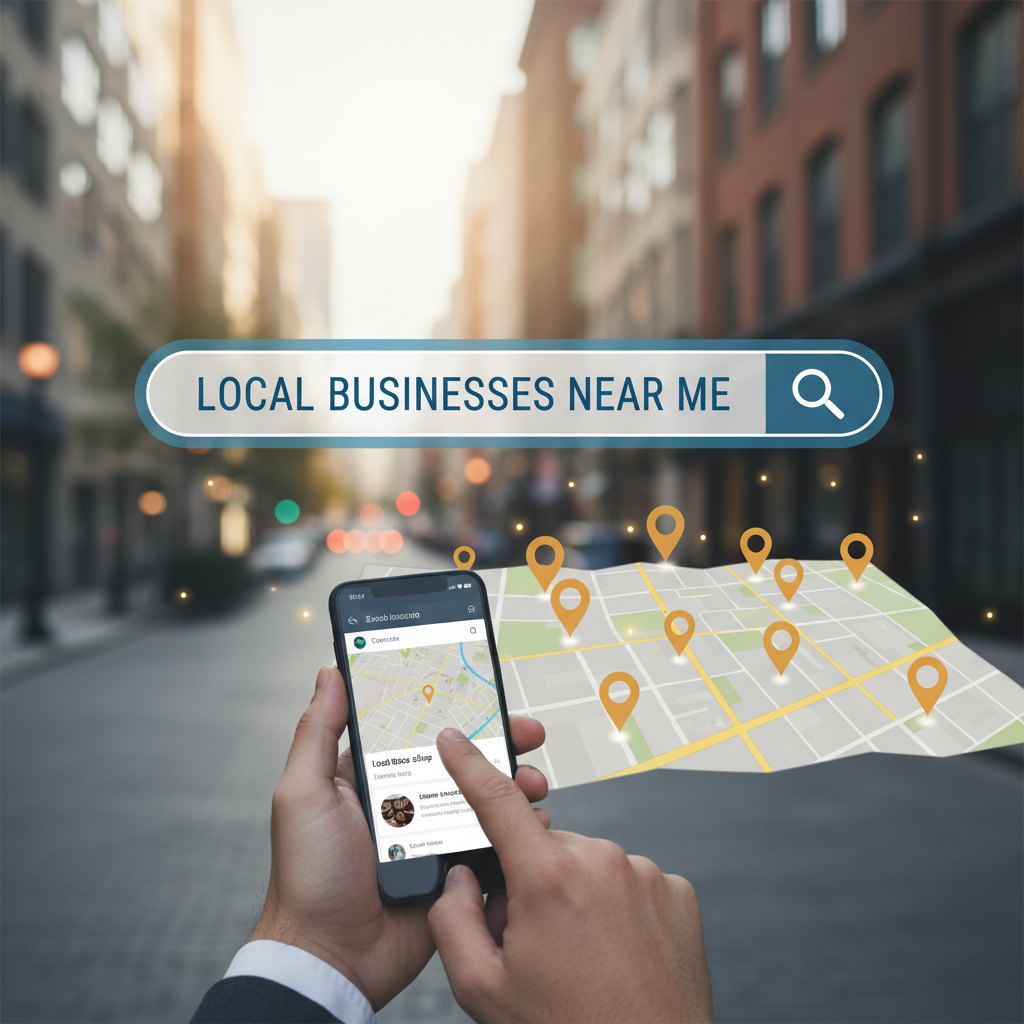
Digital discovery often begins with a simple search: "coffee near me" or "plumber open now." If your name, address, phone or hours are wrong across sites, search engines and apps get confused, and so do customers. Fixing that is basic, but it’s where most businesses cut corners.
Do this: claim your Google Business Profile, Apple Maps listing, Bing Places, and the top 20 local directories for your industry (yelp, TripAdvisor, etc.). Keep NAP - name, address, phone - exactly the same everywhere. Use a local phone number when possible. Add service-area settings if you travel to customers. Those steps improve business discoverability quickly because they reduce friction for both search engines and humans.
On-Page Signals Build Local SEO Relevance
Local SEO doesn’t stop at listings. Your website needs to speak the same language as local searchers.
- Optimize title tags and meta descriptions with city + service (example: "Oakland Auto Repair - Brake Service").
- Create dedicated location pages if you have multiple spots (one page per zip code or neighborhood).
- Use schema markup - localBusiness schema, openingHours, geo coordinates. It’s technical but it pays off because search engines use structured data to enhance listings.
Why this matters? Because digital discovery algorithms look for clear, consistent signals that tell them what you do and where you do it. If your website contradicts your listings, you lose. Simple. (And yes, you can DIY some of this, but most owners save time by getting help.)
How to prioritize on-page fixes
Start with the pages getting the most local traffic. Use Google Search Console and local analytics to find them. Then update headings, add a clear call-to-action like "Call for same-day service," and ensure your contact info is in the footer of every page. Little changes stack up.
Reviews and Reputation Influence Clicks and Calls
People trust people. Reviews are social proof - they affect rankings and conversion. If you’ve got no reviews, your listing looks suspicious. If you’ve got 50 great reviews, you look reliable. That’s honestly how most consumers decide.
Ask for reviews after a job completes. Follow up with an SMS or email (short, direct, with a link). Respond to every review - positive and negative - within 48 hours. That responsiveness sends two messages: you care, and you manage reputation actively. Both matter for local SEO.
Handling negative reviews
Don’t delete or argue in public. Acknowledge the issue, offer to make it right, and take the conversation offline (phone or email). Many times, a resolved complaint turns into a 5-star update. I’ve seen this happen with a salon client who turned 2 poor reviews into 5 positive ones after direct follow-ups - they kept the customers and gained new ones.
Tracking and Iteration Keeps Your Local Strategy Working
Showing up in local search is not set-it-and-forget-it. You need to measure what matters and iterate. Track calls, clicks, direction requests, and form submissions from local pages. Use UTM tags for paid campaigns so you can separate organic local discovery from ads.
Set monthly check-ins: audit listings for duplicates, check schema validity, and harvest new reviews. My Local Business Networks runs these checklists for clients - we fix issues fast and report what actually moved the needle (calls, visits, bookings). That makes it easy to justify the work.
Frequently Asked Questions
What is digital discovery and why does it matter?
Digital discovery is how customers find your business online - through search engines, maps, directories, social platforms, and voice assistants. It matters because most in-market customers start with a search. If you’re not discoverable, you miss opportunities that competitors will grab. Plain and simple.
How long does it take to see results from local SEO?
You'll often see improvements in listings accuracy and review volume within 2 to 8 weeks. Changes to rankings and steady organic traffic can take 3 to 6 months depending on competition and how consistent your signals are. From what I’ve seen, businesses that follow the basics closely see measurable increases in calls by the third month.
Can I manage business discoverability myself?
Yes, you can do a lot yourself - but it’s time-consuming. If you’re comfortable with tools and checklists, start there. If you’d rather focus on running your business, My Local Business Networks handles the heavy lifting: claim and sync listings, implement schema, manage reviews, and report results so you can spend time where you’re needed most.
Which local SEO tactic gives the biggest ROI?
Fixing inconsistent listings and getting 20 genuine reviews typically gives the fastest ROI. Why? Because it improves both visibility and conversion quickly. After that, location pages and schema are the next best investments.